

 See My Latest Article on HelloNation
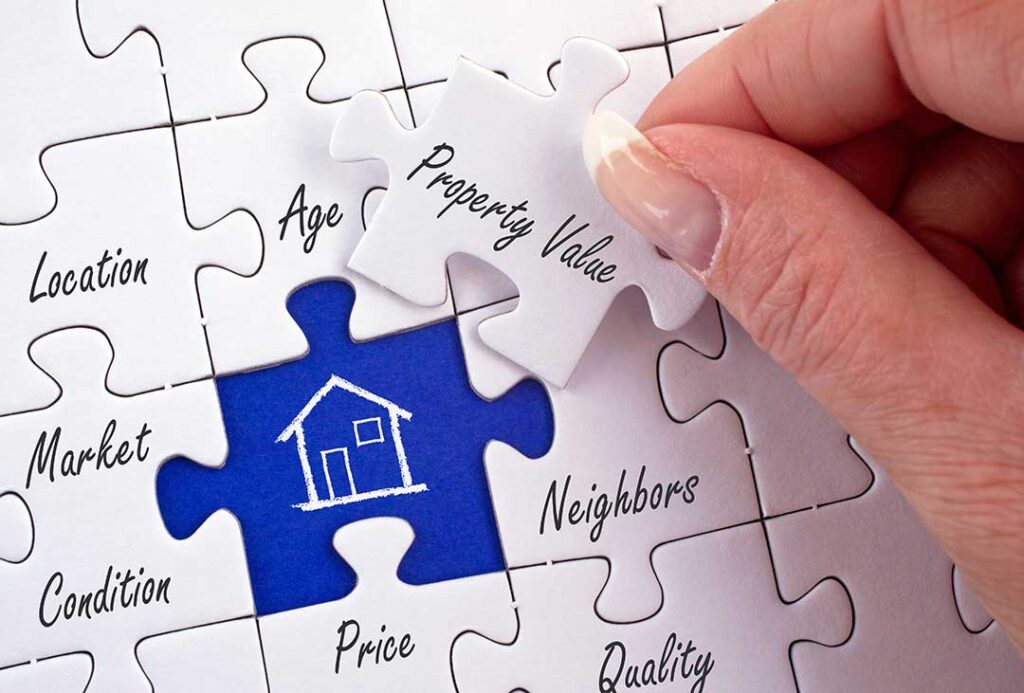
Neighborhood quality can influence property value just as much as the condition of an individual house. Buyers usually evaluate the full setting: how easy it is to reach daily destinations, whether streets and drainage are maintained, how comfortable the area feels, and whether the neighborhood is likely to remain desirable over time.
In Cullman, neighborhood value is shaped by a mix of traditional residential patterns, newer subdivisions, larger-lot properties, seasonal weather, and ongoing infrastructure needs. No single feature guarantees a higher sale price, but several characteristics tend to support stronger demand and broader buyer interest.
What neighborhood features generally help property value?
The features most likely to support value are convenience, upkeep, safety, usable outdoor space, and a stable pattern of development. Buyers often pay more attention to these qualities than to decorative details that can be changed after purchase.
A neighborhood may be viewed more favorably when it offers:
- Well-maintained streets and sidewalks
- Reliable drainage and limited standing water
- Reasonable access to schools, parks, shopping, medical care, and employment areas
- Consistent property maintenance
- A mix of privacy and neighborly connection
- Attractive landscaping and mature trees
- Clear rules that protect appearance without creating excessive restrictions
- Housing that is compatible in scale, condition, and upkeep
These factors matter because they affect daily life. A home in a well-kept area may attract more buyers, spend less time on the market, and hold its appeal through changing market conditions.
Do sidewalks and walkability increase neighborhood appeal?
Yes, sidewalks and safe pedestrian connections can improve a neighborhood’s usefulness and appeal, particularly near schools, parks, public spaces, and commercial areas. Walkability does not need to mean an urban environment. In a residential setting, even a connected sidewalk on one side of the street can make walking, jogging, and outdoor activity more comfortable.
For local households, useful pedestrian features may include:
- Sidewalks with clear paths and few obstructions
- Safe street crossings
- Street lighting
- Connections between adjoining streets
- Access to parks or shared open areas
- Adequate separation between pedestrians and moving vehicles
A sidewalk that leads nowhere has limited value. Connected routes are more useful because they allow residents to reach nearby destinations without relying entirely on a vehicle. Maintenance also matters. Cracked pavement, poor drainage, overgrown vegetation, and missing signs can reduce the practical benefit of an otherwise well-planned pedestrian network.
How do drainage and stormwater management affect property value?
Good drainage can protect both property condition and buyer confidence. Cullman receives substantial annual rainfall, so neighborhoods that move water effectively are especially important during heavy storms.
Features that may support neighborhood value include:
- Graded streets that direct water away from homes
- Maintained ditches, culverts, and drainage easements
- Properly designed stormwater systems
- Roads and lots that do not routinely collect water
- Retention areas that are maintained and safely configured
- Homes positioned above areas prone to flooding or ponding
Drainage problems can create more than temporary inconvenience. Repeated standing water may contribute to soil erosion, damaged pavement, foundation concerns, mold, landscape loss, and difficult access during storms. Buyers may also consider whether a property requires flood-related insurance or has a history of water intrusion.
A common misconception is that a drainage pond automatically reduces value. A properly designed and maintained pond may provide useful stormwater control and open space. An overgrown, inaccessible, or poorly maintained water feature can have the opposite effect.
Do parks, green space, and mature trees add value?
Well-maintained green space can make a neighborhood more attractive and provide benefits that are difficult to recreate on an individual lot. Parks, walking areas, tree-lined streets, and shared lawns may give residents more room for recreation while improving the visual character of the area.
Mature trees can provide shade during warm weather, soften views of pavement and utility infrastructure, and contribute to a more established appearance. However, trees are most beneficial when they are healthy and properly located. Large trees with damaged limbs, invasive roots, or poor clearance around homes and power lines may become a maintenance or safety concern.
The quality of green space matters more than its mere presence. A small, clean, accessible area may be more valuable to residents than a larger space that is difficult to reach or poorly maintained.
Does neighborhood appearance influence home prices?
Neighborhood appearance strongly affects first impressions and can influence how buyers compare otherwise similar homes. Consistent maintenance often signals that residents and property owners care about the area’s long-term condition.
Helpful appearance-related features may include:
- Neat yards and maintained lawns
- Limited accumulation of debris or abandoned materials
- Fresh or well-preserved exterior paint
- Functional fencing
- Clear street signs and visible house numbers
- Consistent mailbox and trash-storage practices
- Attractive entrances without excessive ornamentation

Uniformity is not the same as sameness. A neighborhood can have different home styles and landscaping preferences while still appearing orderly. The goal is a sense of care and compatibility, not the elimination of individual character.
Poor upkeep can affect nearby homes even when a particular property is well maintained. Buyers may worry that neglected properties will reduce enjoyment, create safety concerns, or make resale more difficult.
How do streets, traffic, and parking affect value?
Street design affects noise, safety, convenience, and the overall experience of living in a neighborhood. Buyers often prefer streets that are easy to navigate, adequately maintained, and appropriate for the amount of traffic they carry.
Features that may support value include:
- Smooth pavement and clearly visible markings
- Safe intersections and reasonable sight distance
- Adequate street lighting
- Limited cut-through traffic
- Practical guest parking
- Traffic patterns that keep heavy vehicles away from local residential streets
A quiet street may be appealing, but excessive isolation can reduce convenience. Likewise, a location near a major route may be useful for commuting while also creating more noise or traffic. The effect depends on the specific home’s position, buffering, and access.
Can neighborhood regulations protect property value?
Clear zoning and subdivision standards can help preserve neighborhood function, drainage, street design, and development quality. Rules may address setbacks, lot dimensions, signage, parking, accessory structures, sidewalks, and stormwater management.
Reasonable standards can protect residents from changes that create safety, appearance, or compatibility problems. At the same time, overly restrictive rules may limit practical improvements or make housing less adaptable for changing household needs.
Before making assumptions about a neighborhood, property owners should understand applicable zoning, subdivision, floodplain, and building requirements. A feature that appears beneficial—such as a fence, detached structure, driveway expansion, or drainage alteration—may require approval or may be limited by existing regulations.
What matters most in older and newer neighborhoods?
Older neighborhoods may benefit from mature landscaping, established street patterns, larger trees, and proximity to long-standing community destinations. Their challenges may include aging sidewalks, older drainage systems, narrow streets, or deferred infrastructure maintenance.
Newer subdivisions may offer modern utilities, planned drainage, sidewalks, and more consistent construction. Their long-term value depends partly on how well common areas, streets, landscaping, and stormwater facilities are maintained after development is complete.
For both types of neighborhoods, the most durable advantages are functional: dependable infrastructure, attractive surroundings, convenient access, and responsible upkeep. Features that require constant repair or depend on a temporary trend may have less lasting influence.
How can residents protect neighborhood value?
Residents cannot control every factor affecting property values, but they can help preserve the qualities that make an area desirable. Practical steps include keeping drainage paths clear, maintaining visible portions of yards, reporting damaged streets or sidewalks, following applicable regulations, and addressing exterior deterioration before it becomes widespread.
It is also useful to evaluate neighborhood features over time rather than during a single visit. Observe the area after rainfall, during evening hours, and on weekends. Look for how water moves, how parking is handled, whether sidewalks are usable, and whether common areas receive regular care.
Property value is influenced by market conditions, home condition, location, and buyer preferences. Neighborhood features do not guarantee a specific price, but a clean, functional, accessible, and well-maintained setting can make a property more useful today and more appealing to future buyers.